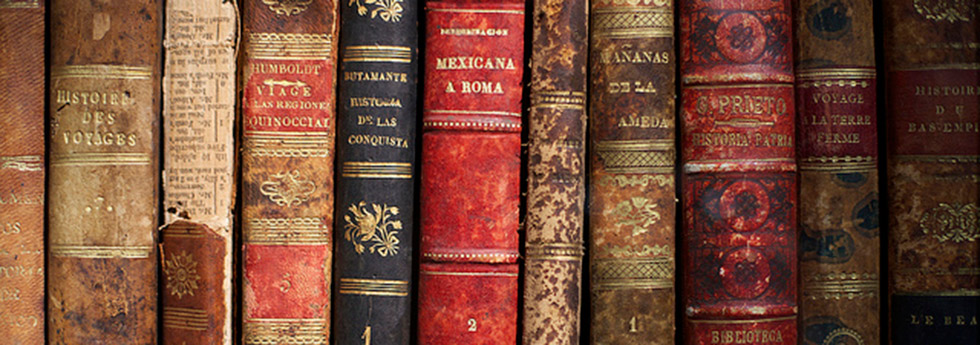
What comes to mind when you think of literature? For most, or at least for me, leather skin hard back books with old dusty pages comes to mind. Perhaps a book that has way too many words that I have to look up in the dictionary to effectively read and understand. Or even the image of a head nodding in and out of sleep. Truth is, literature is much more than that. It has recently changed to include other dynamics that more people can relate to. It has become easier to grasp.
This is where my gratitude for pro-tech literature comes in. While waiting in my car for a friend to meet me for lunch, I can scroll through the New Yorker, BuzzFeed, and many other sites to gain information about the world surrounding me, or simply for entertainment. Kenneth Goldsmith’s book, Wasting Time on the Internet, starts with him advocating for pro-tech literature by proving that he in fact is not wasting time while scrolling. Instead, he is reading about things that interest him, catch him up on current politics, and inspire new ideas.
An example from class that, to some may or may not classify as pro-tech literature, is Instagram poet R.M. Drake. Drake writes poems that reach millions of people on a large scale, broad basis and shares them on his Instagram page. This way of sharing his work reaches people on an easier level that may not require as much work to get his work seen. Lindsay Saienni is one critic who has not held back on her dislike when it comes to Instagram poets and pro-tech literature.
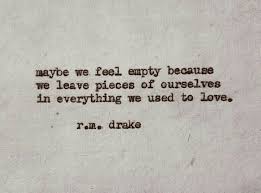
While Saienni is an advocate for traditional literature and the idea of a struggling artist, and I can see her point of wanting people to still have love for the complicated and structured art of literature, I would persuade writers to put their work on a more public outlet so it is able to reach more people. The younger generation is our future, and the future is definitely pro-tech.
 Literature & the Internet