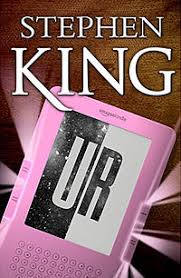
In Stephen King’s novella UR the time setting was in year 2009. Technology hadn’t become as widespread as it is in today, but was still very much accepted and popular. Robbie, a student in the English class of the main character, Wesley Smith had brought a kindle into class one day. At first, Wesley’s opinion of this kindle was that it is a waste of product, that the book will never be replaced. As Wesley thought on it more, he took a chance. Robbie’s gadget caught Wesley’s eye so much that he bought one for himself. He eventually fell in love with the kindles features having such ease of access to what seemed like an unlimited amount of documents.
Wesley’s final outlook on the kindle was a surprise considering how stern he initially meant. But that just goes to show how mesmerizing technology is. The effects of technologic integrations into schools is teaching millennials how to adapt to modern technology as it rapidly progress’. Someone born in a world with technology will have far more capabilities and better understanding of the technologic world rather than someone getting their first cell phone. Kids these days have phones when they are in the 3rd grade. It wasn’t until 1995 that schools began to have computers and familiarize the students with technology. The great thing about having tech integrated in schools is that it familiarizes it with kids as they grow up with their minds absorbing information like sponges up until an age in the twenties. It is probable that the generation before technology was easily available in schools most likely are having trouble “getting the hang” of technology.
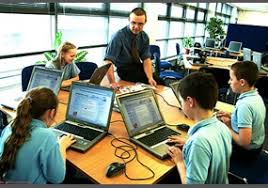
In today’s world, it is uncommon to even do school work without using the internet. Whether it be submitting papers, doing online homework, or taking an online class, using technology for school is mandatory almost everywhere. According to an article from Walden University, technologic integrations booted ways of learning in numerous types of ways. Thigs like preparing children for the future, creating different learning environments, creating a more engaged learning environment.
The list of benefits for school making technology accessible to children are endless. Integrating technology with schools in the long run will help people acclimate to what new technology is to come. We should get accustomed to technology as soon as we can because in the future, technology may be much more different and complex than what we have offered to us today. Or on the other hand it may be far more easy to use due to perfect development; self-functional, only needing voice commands. There is no telling how big the next step of technology is.

For what the future holds is mystery but our best prediction of how the future looks is based on which direction we are heading now. With tech properly integrated into schools for over 30 years, and generations trying to adapt to newer technologies, it is safe to say that technology is being accepted and understood more each day. Speculations of the future could sound like farfetched ideas, just as facetiming someone did 10 years ago. Who knows? We may be living in a virtual world in the future. Or having touch screens integrated into things likes desks at school, or an artificial intelligence bot that writes notes down for you, or gives you definitions of words you don’t know on the spot. Possibly even artificial intelligence tutoring you in the convenience of your own house. The possibilities are endless.
Sources: https://wordpress.com/block-editor/post/litinternetfall19.art.blog/798
 Literature & the Internet